What to Expect on Your First Sunrise Flight
A walkthrough of what happens from arrival to landing. Covers pre-flight briefing, takeoff sensations, and what the first moments aloft actually feel like.
Read Guide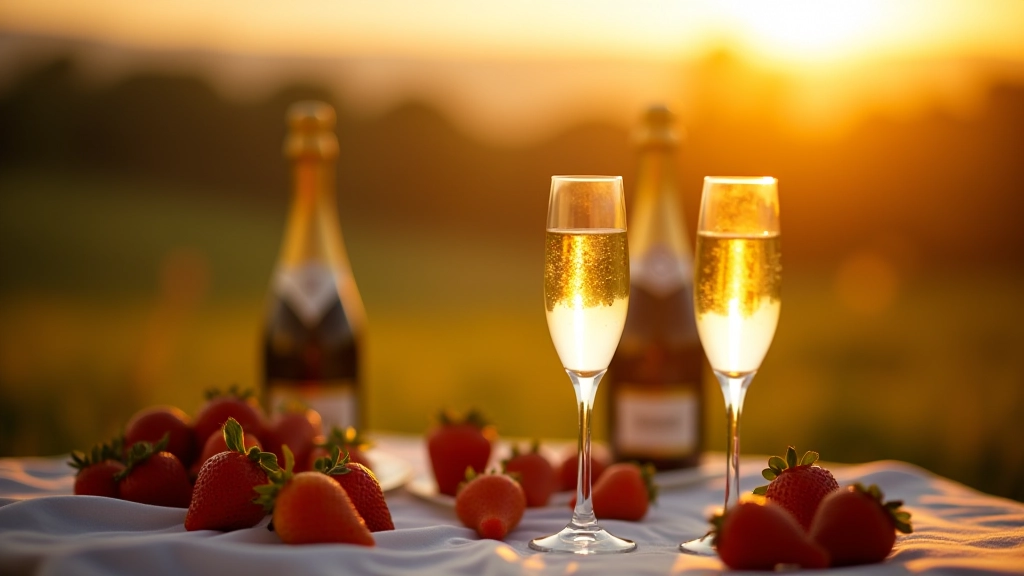
Discover the history behind the iconic champagne ceremony, what's included in your celebration, and how to make it truly memorable
The champagne tradition isn't just about popping a bottle at 1,000 feet. It's rooted in balloon racing history dating back to the 1800s. Pilots who landed safely would celebrate with local landowners, sharing champagne as a thank-you for allowing their balloon to touch down on private property. Over time, this gesture evolved into the beloved ritual you'll experience today.
What makes it special? Everything tastes different at altitude. Your palate changes, carbonation behaves uniquely, and the celebration feels earned after an hour of floating above the taviopath countryside. You're not just drinking champagne — you're participating in a tradition that connects modern adventures to centuries of ballooning heritage.
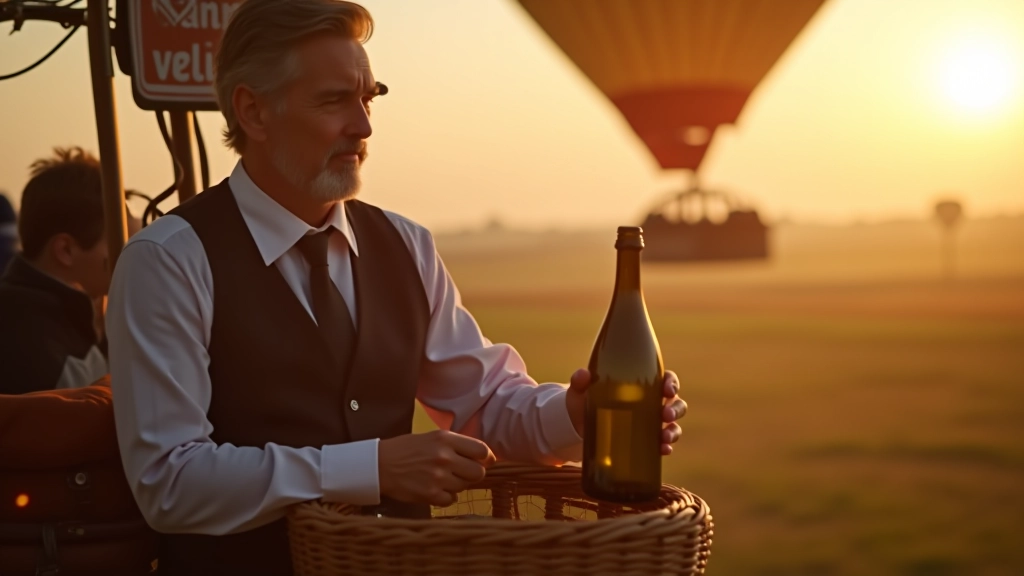
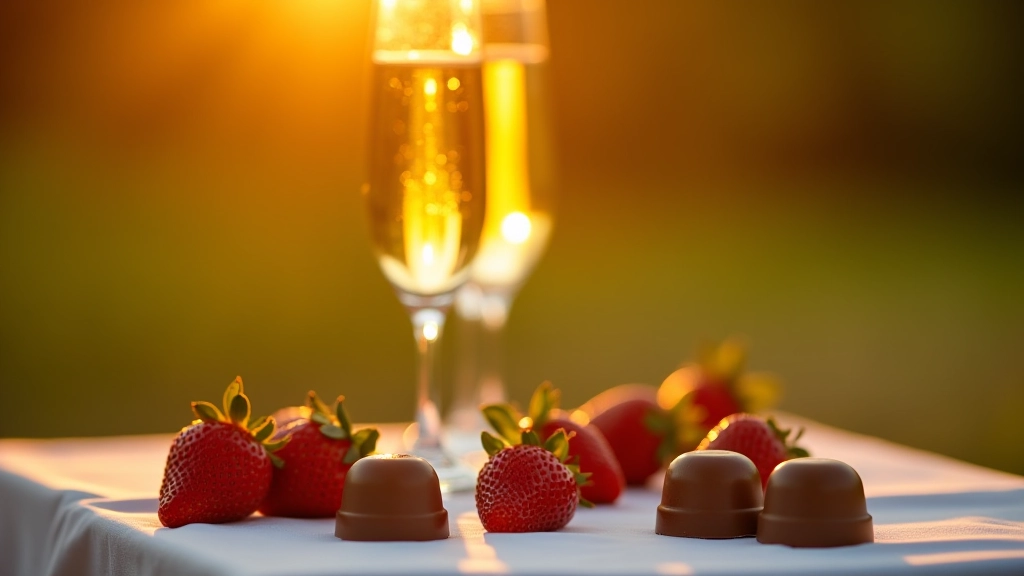
Here's the real breakdown. You'll get a bottle of genuine champagne (not sparkling wine — the real deal from the Champagne region). Most operators include a quality Brut or Demi-Sec, which means you're not getting the cheapest option they could source. The bottle arrives chilled and ready, and yes, it's been tasted beforehand to ensure quality.
You'll also receive crystal glasses — not plastic cups. There's something about holding proper glassware while standing in a wicker basket that makes the moment feel genuinely special. Fresh strawberries are typically included, along with Belgian chocolates or local pastries. The whole setup takes about 15 minutes, which gives you time to catch your breath and process what you've just experienced.
If you're sensitive to carbonation or have a sensitive stomach, champagne at altitude can feel more intense. Some people find it sits differently. That's completely normal — your body's at a different pressure than it's used to. You can always sip slowly or switch to the non-alcoholic options many operators provide.
Learn more about your balloon flight experience
A walkthrough of what happens from arrival to landing. Covers pre-flight briefing, takeoff sensations, and what the first moments aloft actually feel like.
Read Guide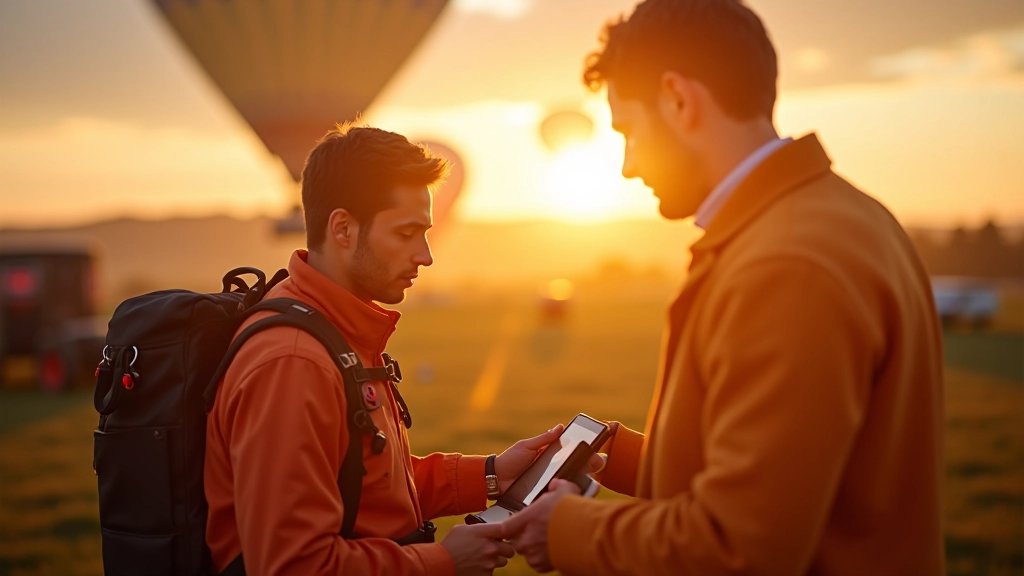
Understanding wind patterns, temperature inversions, and seasonal conditions in the taviopath region. Learn why some days are perfect for flying.
Read Guide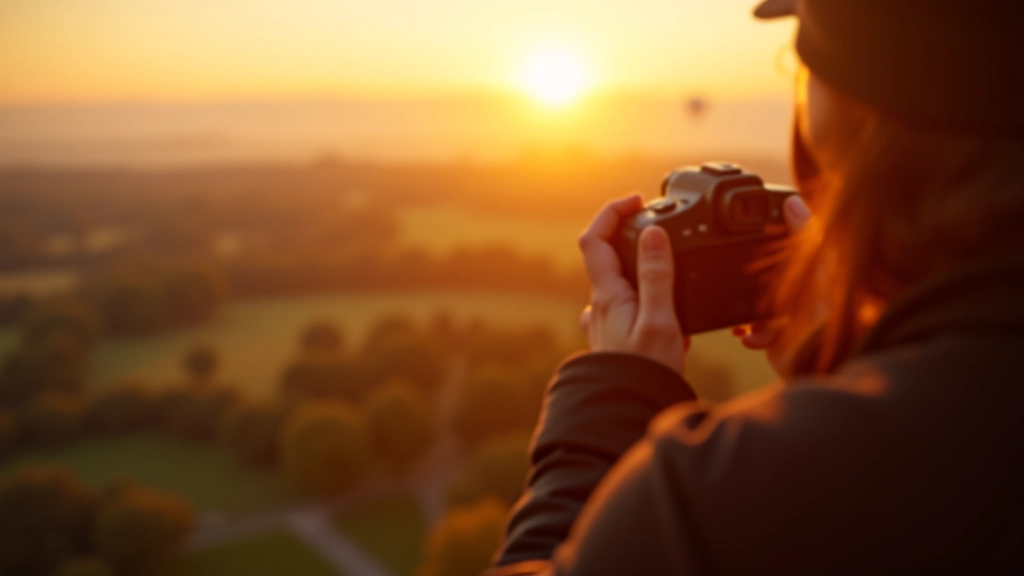
Camera settings that work at altitude, composition tips for landscape shots, and how to capture that golden hour magic without missing the moment.
Read Guide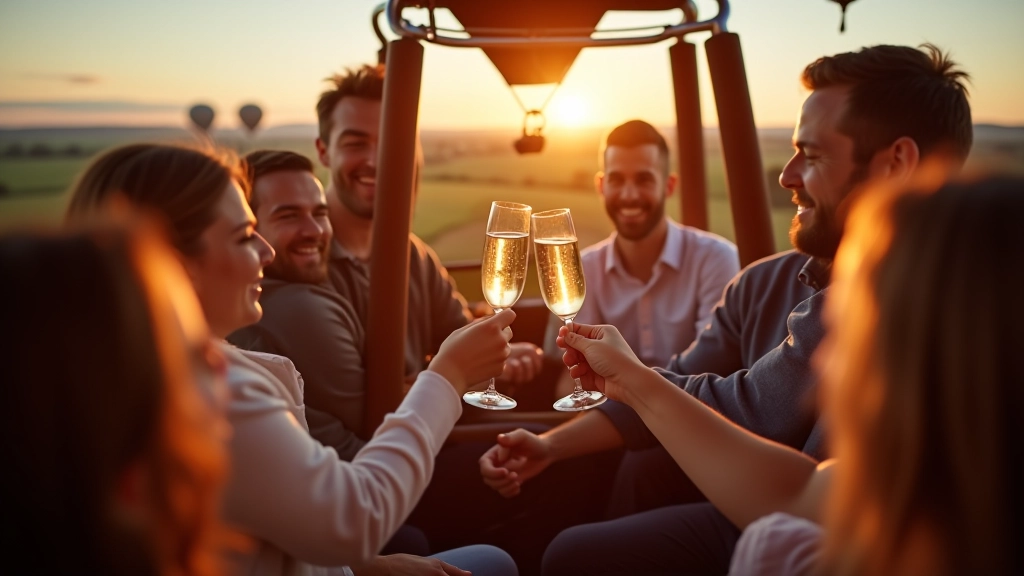
The champagne ceremony works best when you're present for it. Don't spend the entire time photographing. Yes, take a picture or two, but actually taste it. Notice the bubbles. Listen to the conversations around you. This is the moment where the adrenaline from the flight meets genuine celebration.
If you're traveling with someone special, the landing is the perfect time to say whatever you've been holding onto. Proposals happen. Anniversaries get toasted. Friendships deepen. There's something about being in a wicker basket at ground level with champagne in hand that opens people up. The formality of the ritual gives permission to the emotion.
The whole experience lasts about 30 minutes from descent to cleanup. It's not rushed, but it's not endless either. It's designed to feel complete — the perfect exclamation point on your flight.

Author
Editorial Team
Written by the taviopath Skies editorial team, focused on honest, practical information about countryside balloon flights and authentic landing experiences.
This article is informational only and describes the champagne landing tradition as it's commonly practiced. Champagne consumption at altitude may affect individuals differently. If you have health concerns, are pregnant, have heart conditions, or are taking medications, consult your doctor before the flight. Operators may modify or substitute items based on availability, local regulations, or your preferences. Always follow your operator's safety guidelines and instructions. Individual experiences vary based on weather, flight conditions, and personal factors.
The champagne landing tradition survives because it works. It transforms a moment of descent into a moment of arrival. You're not just touching down on solid ground — you're joining centuries of balloonists who've celebrated safe landings with genuine joy and genuine champagne.
Whether it's your first flight or your tenth, that moment of clinking glasses in a wicker basket doesn't get old. It's theater, yes. But it's honest theater. You've earned it.