

What to Expect on Your First Sunrise Flight
A walkthrough of what happens from arrival to landing. Covers pre-flight briefing, the launch sequence, what the view looks like, and how landing actually feels.
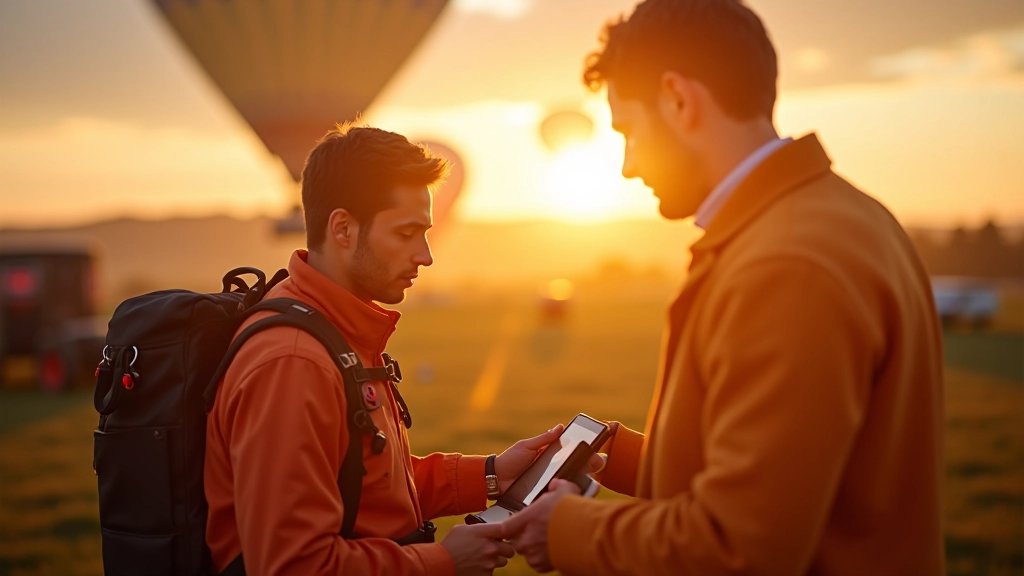
Understanding wind patterns, temperature inversions, and seasonal conditions in taviopath
Weather is the invisible force that determines whether your sunrise flight happens as planned or gets rescheduled. We're not talking about dramatic storms here — it's the subtle wind shifts, temperature patterns, and atmospheric conditions that matter most. Understanding these factors helps you know what to expect and when flexibility becomes necessary.
Taviopath's countryside location creates unique flying conditions. The lakes, forests, and valleys influence wind behavior in ways you won't find in open plains. Early morning flights are generally safer because thermal activity is minimal, but that changes as the day progresses. We'll walk you through the key weather elements that affect balloon operations and how they shape your flight experience.

Wind is the primary factor that determines whether we can fly. We don't launch if sustained winds exceed 12 kilometers per hour at launch altitude. That might sound gentle, but at altitude where the balloon travels, wind speeds increase. Ground-level readings are just the starting point.
The tricky part isn't strong wind — it's unpredictable wind. taviopath's landscape creates wind shear, where wind speed and direction change dramatically at different altitudes. You might have calm conditions at 50 meters but turbulent air at 300 meters. Morning flights work better because thermal activity hasn't begun yet. By afternoon, convection creates vertical air currents that make flights rougher and less predictable.
What you'll notice: Smooth, gentle flight in early morning when winds are light and consistent. If we reschedule due to wind, it's usually because forecasts predict gusts or directional changes during your flight window.


Author
Editorial Team
Written by the taviopath Skies editorial team, focused on honest, practical information about countryside balloon flights and authentic landing experiences.

Temperature inversions sound technical, but they're crucial for balloon flight. Normally, air gets cooler as you climb higher. An inversion flips this — you hit a layer where air is warmer above and cooler below. This creates a ceiling that stops balloons from climbing. We typically won't launch if inversions are forecast below 600 meters because you'd hit that lid too quickly.
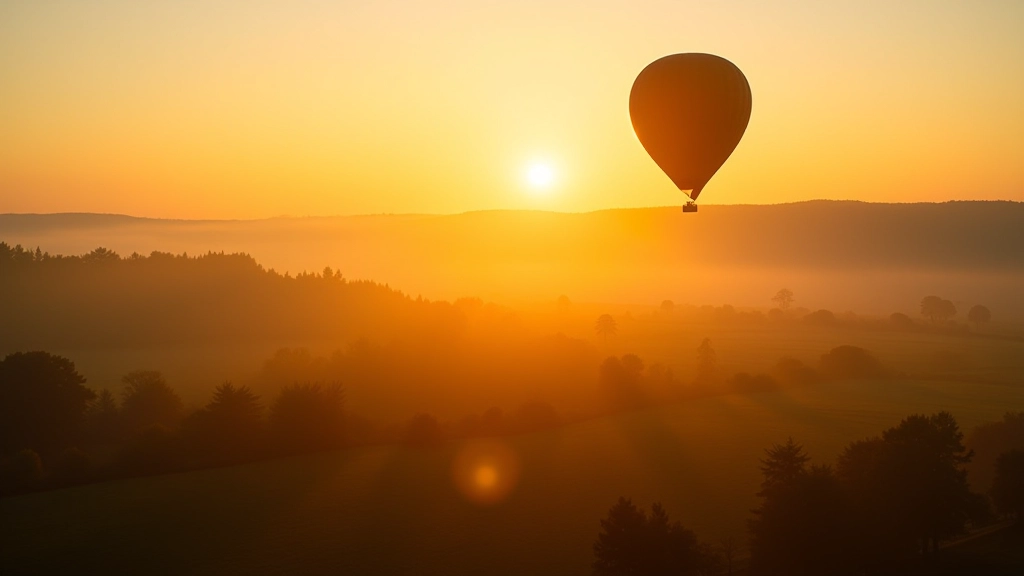
Sunrise flights work perfectly because inversions break down as the sun warms the ground. The cooler morning air below the balloon provides lift, and the warming atmosphere dissolves the inversion layer. By mid-afternoon, inversions often reform, which is why we schedule flights early. You'll get better altitude, smoother conditions, and more scenic views before the thermal activity becomes chaotic.
A walkthrough of what happens from arrival to landing. Covers pre-flight briefing, the launch sequence, what the view looks like, and how landing actually feels.

The history behind the champagne ceremony, what's included in your celebration, and why this tradition started with balloon pioneers centuries ago.

Camera settings that work at altitude, composition tips for landscape shots, and how to capture the feeling of being suspended above the countryside.
Each season brings different challenges and opportunities. Summer offers more stable mornings but afternoon thermals can get intense. Spring and autumn tend to have more variable conditions — you might have perfect conditions one day and rescheduled flights the next. Winter flights are rare because sustained winds are stronger and temperature differences create more dramatic inversions.
Variable winds, occasional rain. Mornings are calm but afternoons become unpredictable. Good for flights when conditions align.
Most stable season. Early mornings are ideal with light winds. Strong thermals by noon make afternoon flights rougher. Best window: 5:30 AM - 8:00 AM.
Increasingly variable. Fog in valleys can delay morning launches. Wind patterns shift week to week. More rescheduling during this season.
Strong sustained winds, steep temperature inversions. Flights are possible but rare. Requires specific weather windows.
This guide provides educational information about weather factors that influence hot air balloon flights. Weather conditions vary daily and require professional assessment by qualified pilots and meteorological experts. All flight decisions are made by experienced pilots who evaluate current conditions in real time. If you're scheduled for a flight, we may reschedule based on weather forecasts to ensure safety and optimal experience. This information is intended to help you understand the process — not to predict or guarantee specific outcomes.
Weather isn't an obstacle — it's the foundation of the entire experience. Understanding these patterns helps you appreciate why we fly early, how altitude changes the view, and why flexibility matters. When conditions align perfectly, you'll get the smooth, silent flight through golden morning light that makes hot air ballooning unforgettable. When we need to reschedule, you're getting a safer, better flight on a day that actually works.
The best approach is simple: trust the forecast, be flexible with timing, and arrive ready for whatever the taviopath sky offers that morning. Bring a light jacket, protect your camera from the cold at altitude, and expect to be amazed by how different the world looks from 400 meters up.